


)
)
Follow The Build


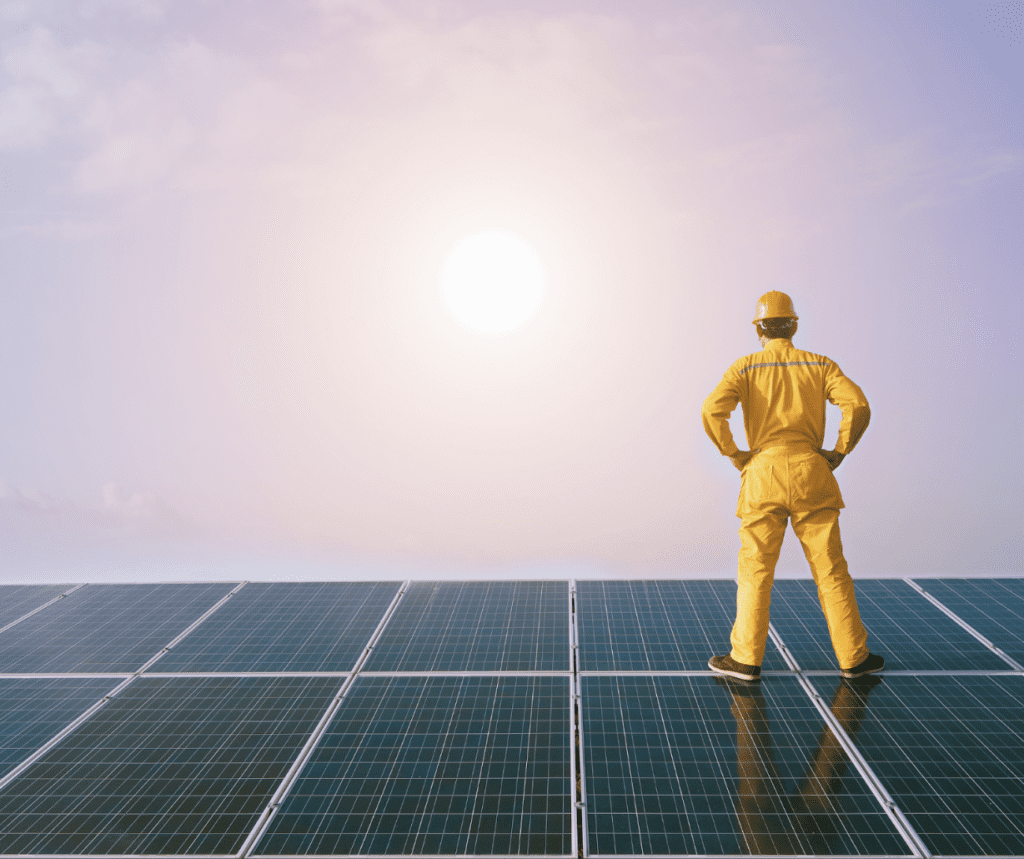
Older commercial solar systems tend to blend into the background. Once they’re installed, they quietly generate electricity year after year with very little attention. That’s one of solar’s greatest strengths, but it can also lead to complacency.
If a system has been producing power for nearly a decade with uninterrupted operation, it doesn’t necessarily mean it’s producing as much as it should. Many arrays installed 10 to 20 years ago continue to operate every day, but gradual performance declines often go unnoticed because there isn’t a dramatic failure. The electric bill is still lower than it would have been without solar, so it can be difficult to recognize that the system isn’t living up to its full potential.
We regularly meet property owners/facility managers who inherit a solar system when they purchase a building or assume responsibility for a property. In many cases, the original installer is no longer involved, monitoring credentials have been misplaced, and system documentation is incomplete. None of that means the array has reached the end of its useful life. In fact, many older commercial systems have decades of productive service left. They simply need someone to evaluate how they’re performing.
But there can be issues like inverter faults, dirty panels, loose electrical connections, storm damage, vegetation growth, wildlife dealings, or aging components that can slowly reduce production without creating an obvious warning sign. Production slips little by little, and unless someone is paying close attention/has an expert eye on-site, those losses can continue for months or even years.
This is where a professional Operations & Maintenance plan becomes more than valuable. If your system hasn’t been inspected in several years, monitoring alerts are being ignored, or you’re simply unsure whether it’s producing what it should, it’s probably time for a closer look.
Effective solar monitoring and maintenance goes beyond watching an app. It includes inspecting electrical equipment, reviewing production data, diagnosing inverter issues, checking racking and wiring, cleaning panels as needed, managing vegetation, and using tools such as thermal imaging to identify problems before they require expensive repairs. The goal isn’t to react to every bit of dust Texas leaves behind. It’s to identify the issues that actually affect performance and address them early.
Preventative maintenance is about protecting a system that’s still capable of delivering excellent returns. Every commercial building has maintenance schedules for HVAC equipment, roofing, elevators, and vehicle fleets because those assets represent significant investments. A solar array deserves the same level of attention.
Routine solar o&m services help maximize production, extend equipment life, protect warranties, and ensure the system continues generating the energy and savings it was designed to provide for many years to come.


Formosa Plastics is a major producer of polyethylene, polypropylene, and polyvinyl chloride resins, which are widely used in various industries worldwide. Recognizing its role in environmental stewardship, Formosa Plastics sought to collaborate with a reputable sustainability consultant who can provide solutions to reduce its impact on the environment.
Sunshine Renewable Solutions is a leading sustainability consulting firm that specializes in renewable energy and environmental sustainability. The company has a team of experts who help clients identify opportunities to reduce energy consumption, lower greenhouse gas emissions, and implement sustainable practices through solar power.


